


Physical AI Lab
Research
We develop learning-based robotic systems that perceive, reason and act in complex environments — generalist robots that autonomously solve real-world long-horizon tasks.
Vision-Language-Action Models
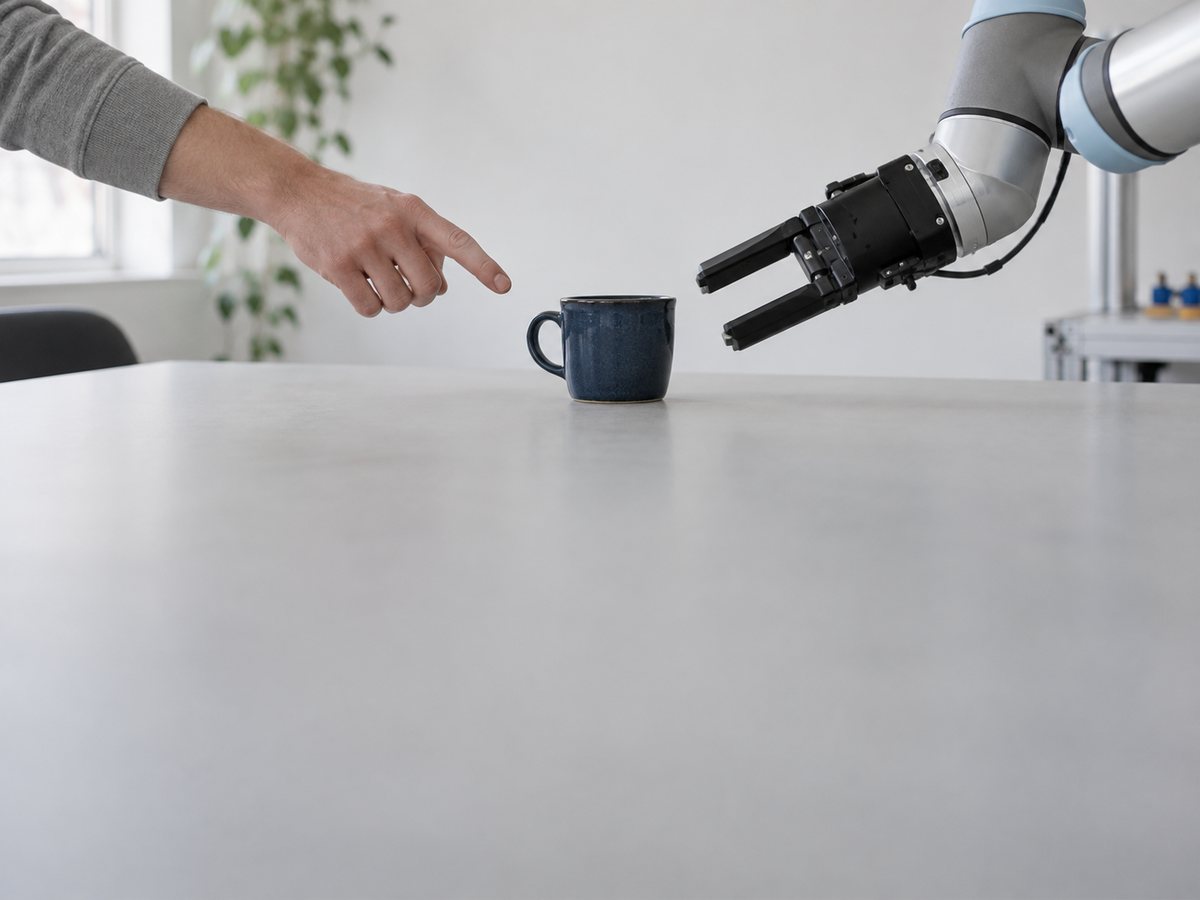
Models that map what a robot sees and is told directly into what it does, so one system generalises across tasks.
Robotic World Models
Learned models of environment dynamics, letting a robot anticipate the consequences of an action before committing to it.
Active Perception
Deciding where to look and when to look again — resolving ambiguity through deliberate interaction rather than passive observation.
Structured Memory Systems
Memory that persists and stays organised, so what a robot learned earlier in a task remains retrievable across long horizons.
Human-Robot Cognitive Alignment
Aligning a robot's representations and intentions with human expectations, so instructions land as they were meant.
Hybrid Imitation & Reinforcement Learning
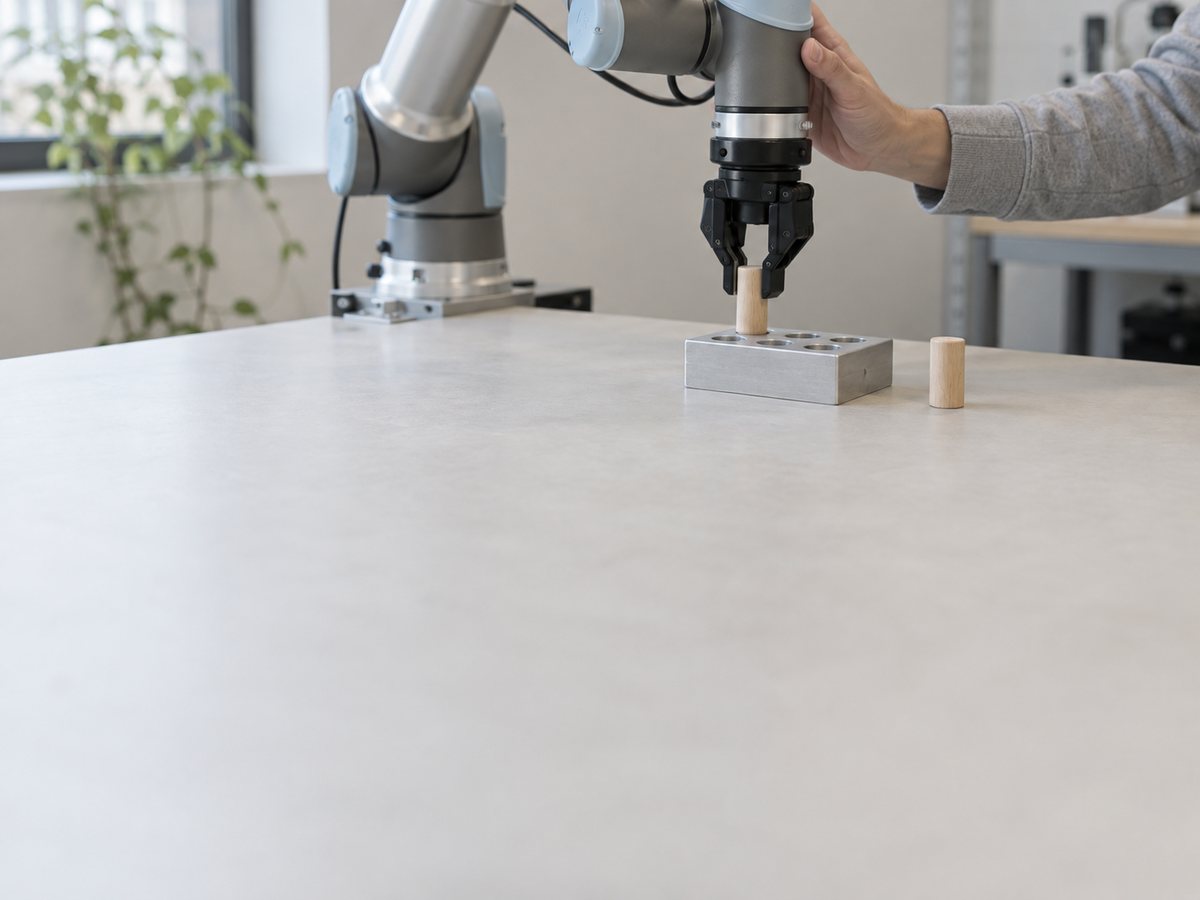
Demonstrations give a strong start, reinforcement refines it — with an emphasis on sample efficiency and sim-to-real transfer.
Medical Robotics
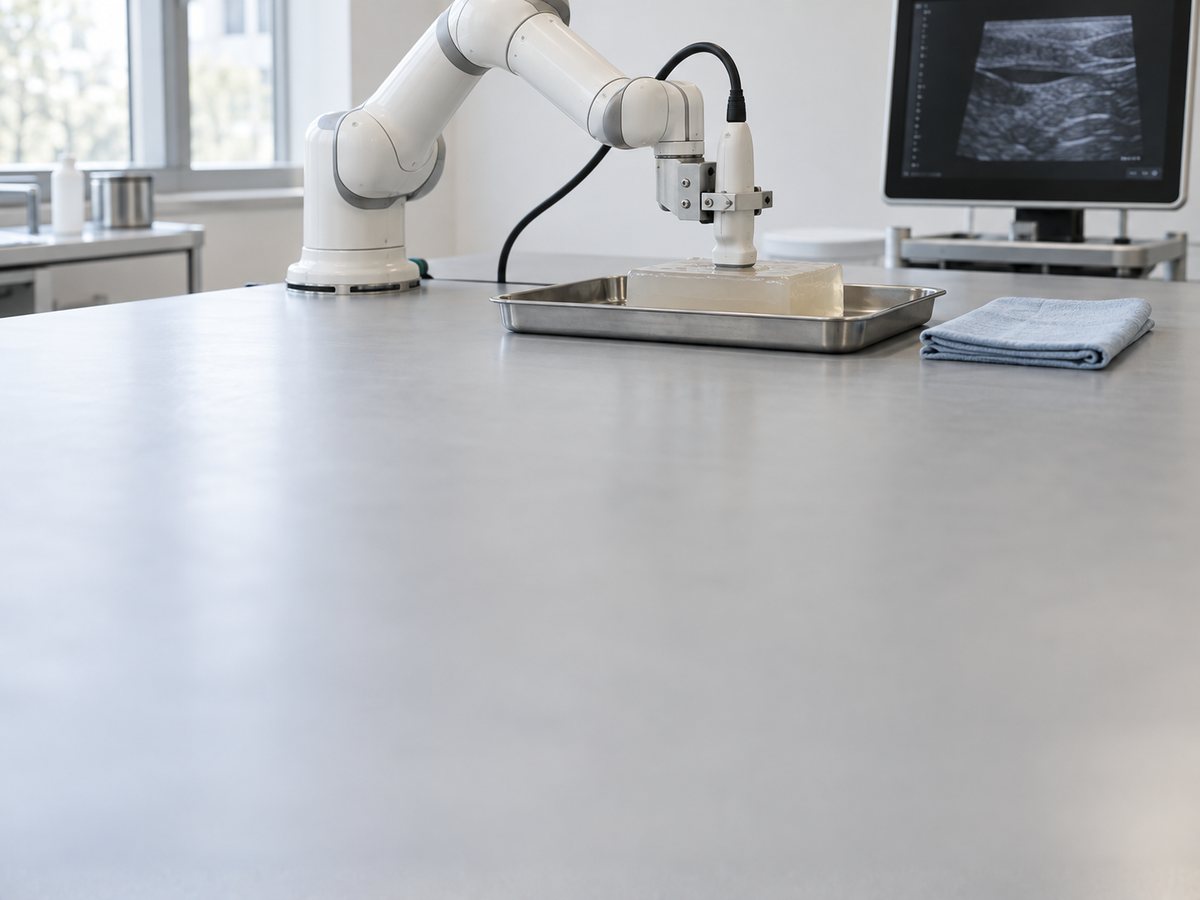
Transferring learned robotic autonomy to clinical settings, where precision, reliability and interpretability carry particular weight.